BAUL
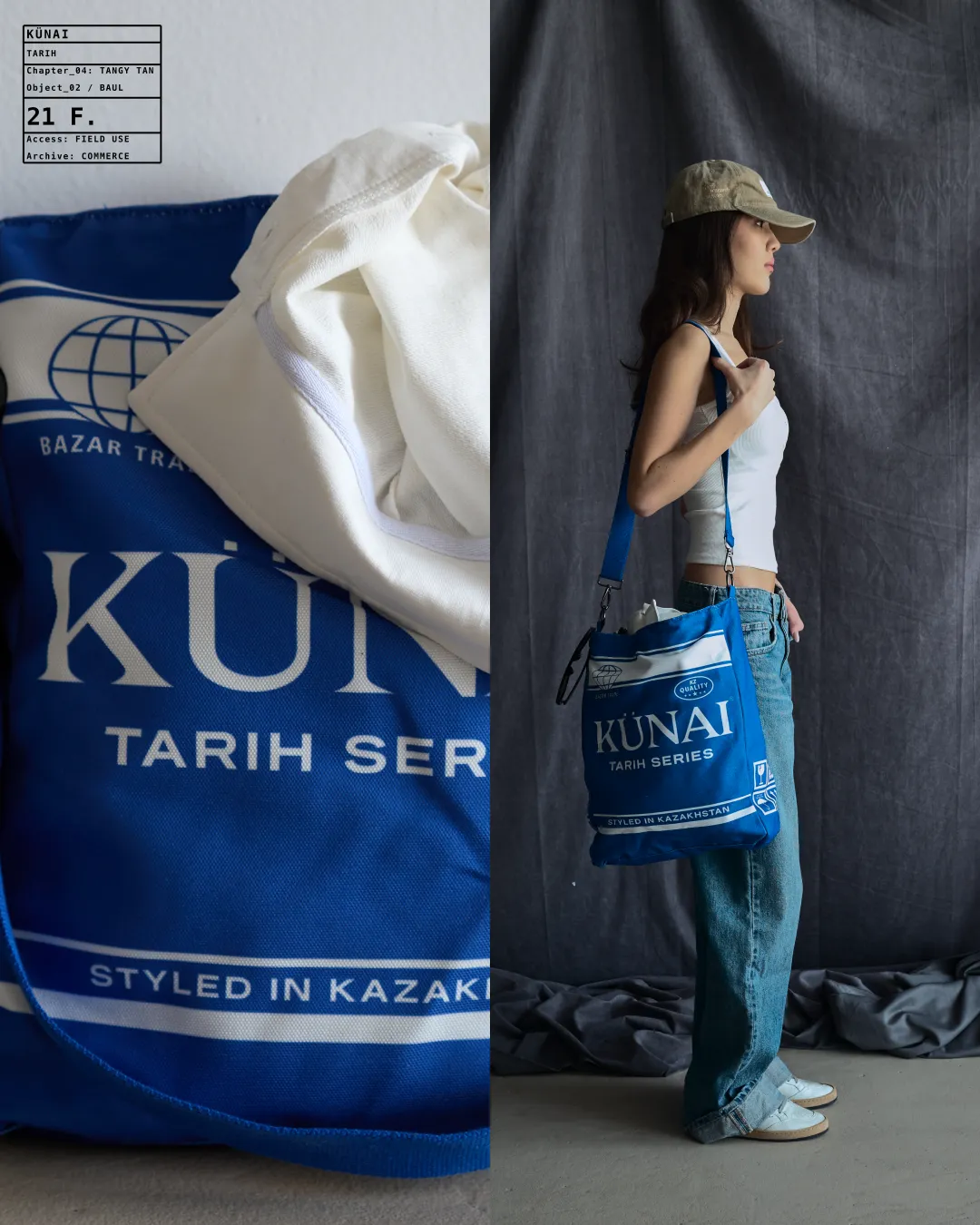
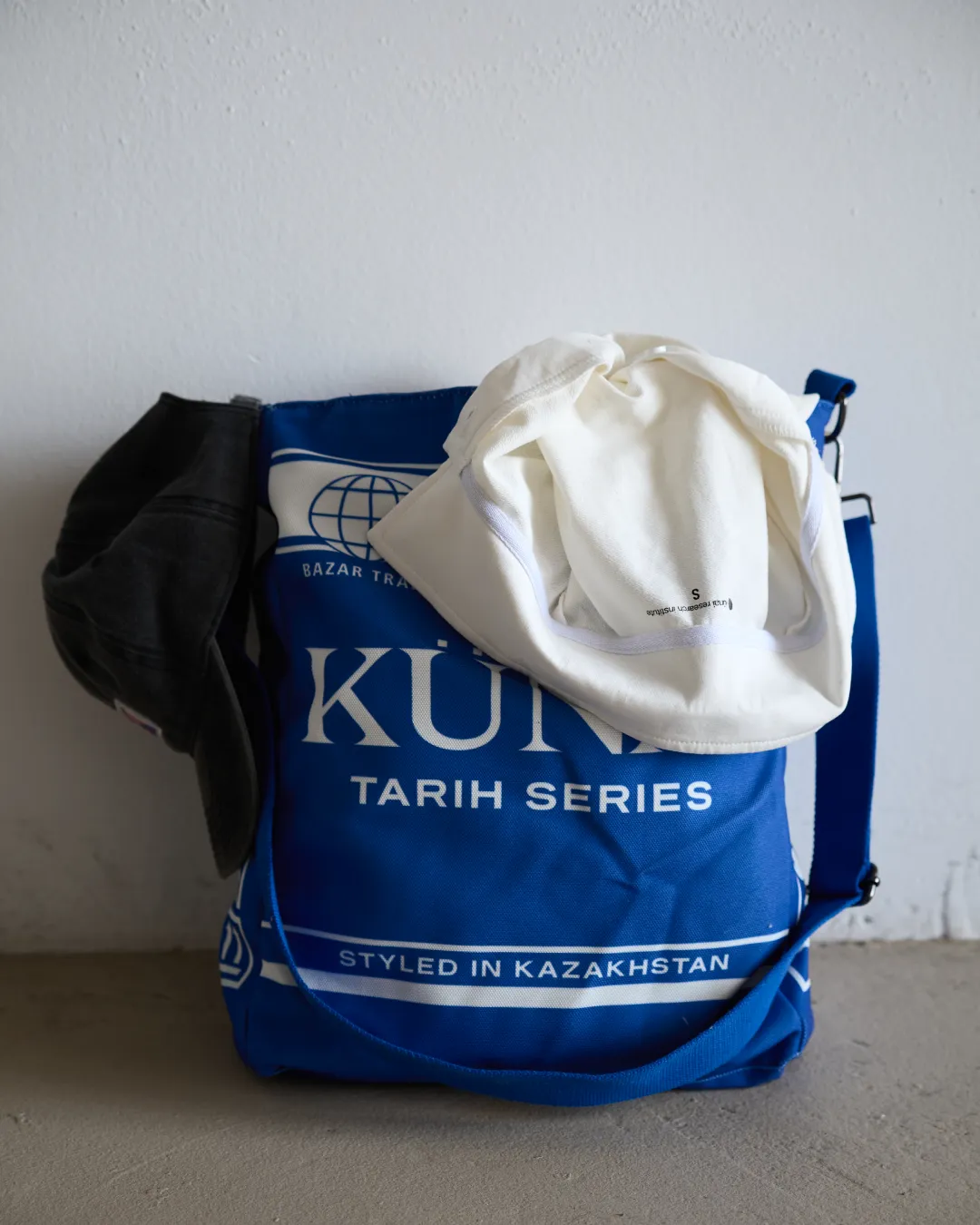
BAUL shopper
20 000 ₸
Bazaars, shuttle traders, wild capitalism. A container for memory.
A shopper after the “Chinese” checkered bag of the 1990s. An archival tag, a newspaper patch, and the memory of the Green Bazaar.
Tañgy Tañ, the dawn of independent Kazakhstan: the collapse of the planned economy, the wild capitalism of the 90s, shuttle traders with their bags, and the bazaar as the era's central social machine.
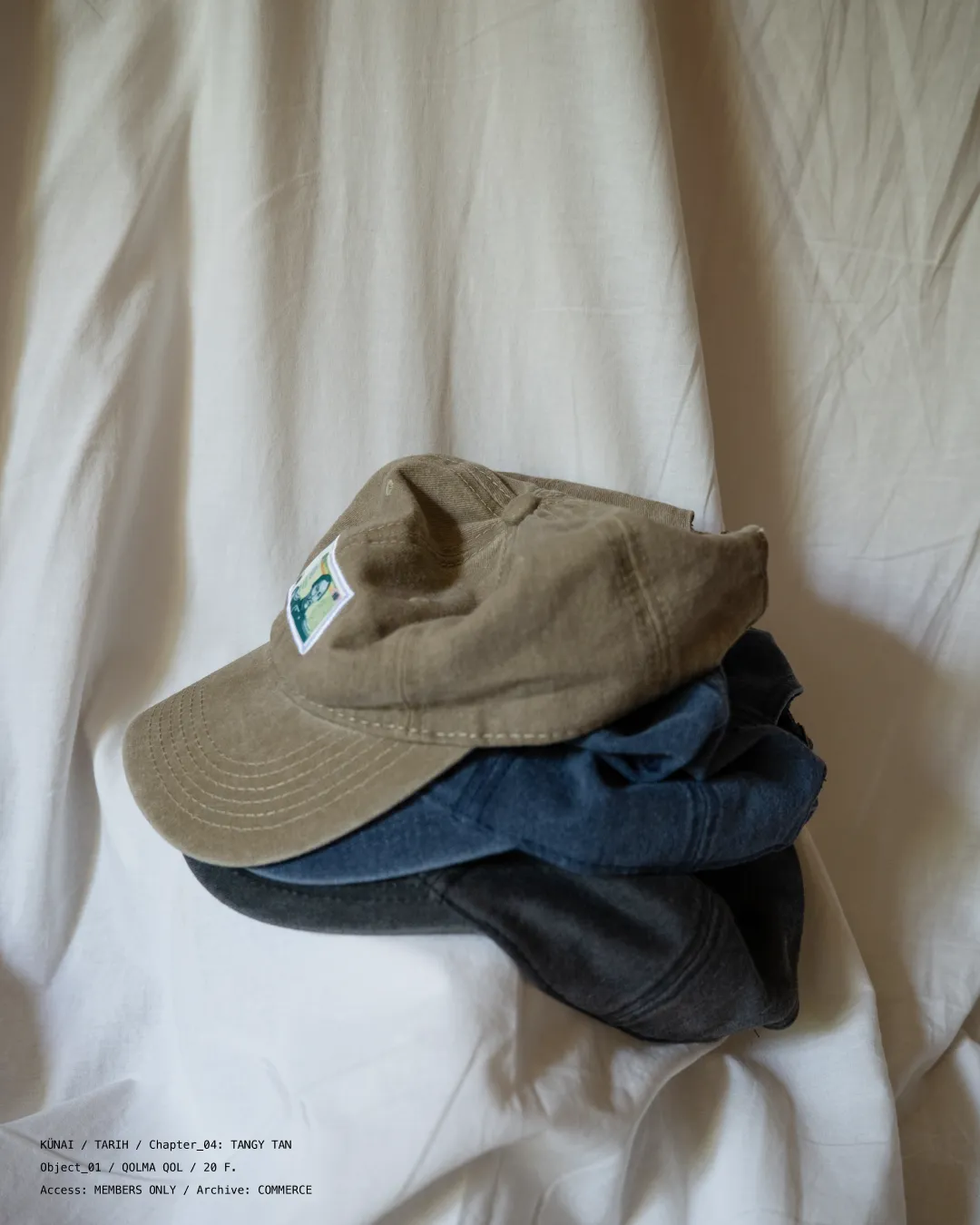
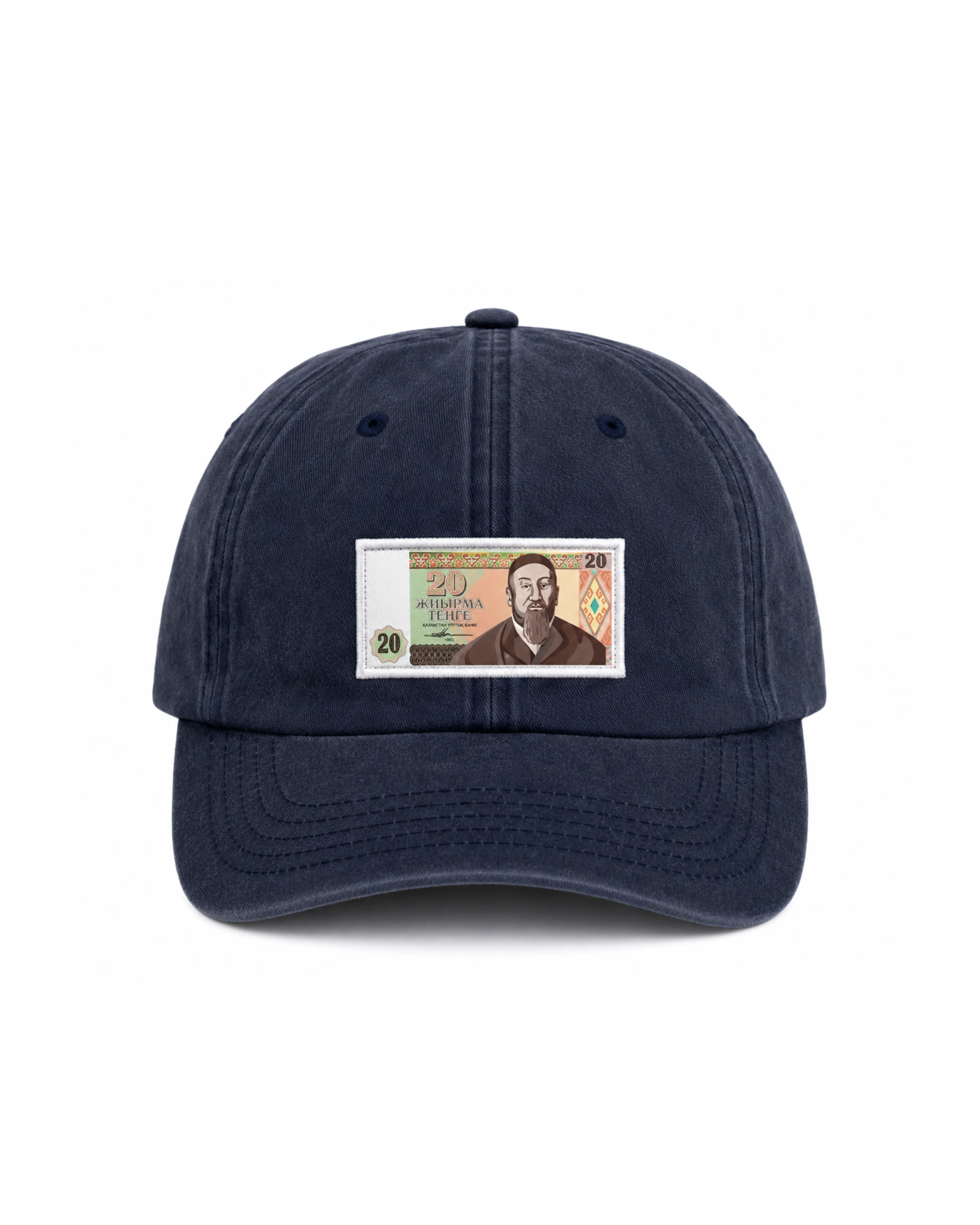
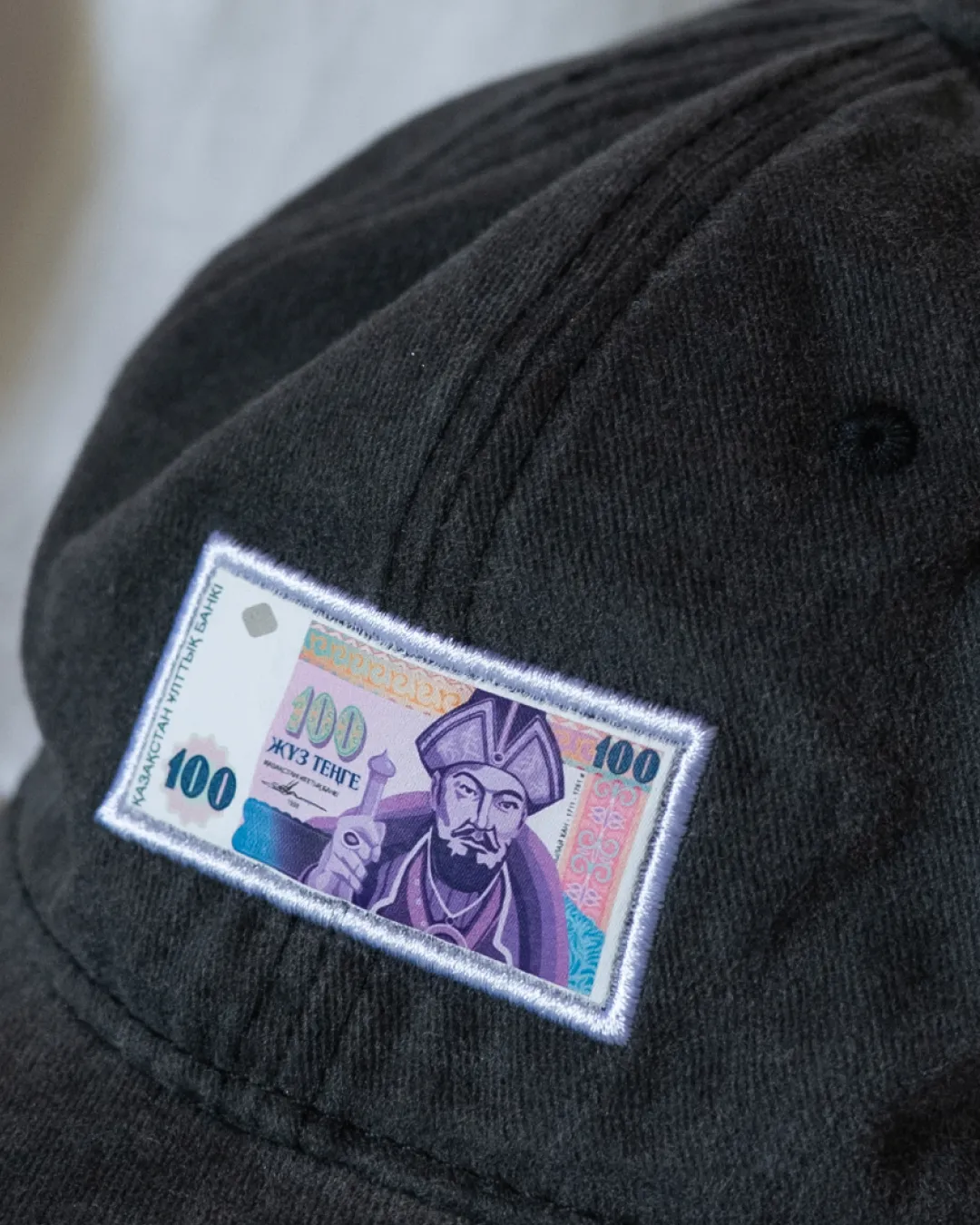
The baul, the constant companion of the bazaar, with a newspaper pinned to it as a snapshot of a fast-changing world, and caps with the first tenge as a bow to Orda and Alash.
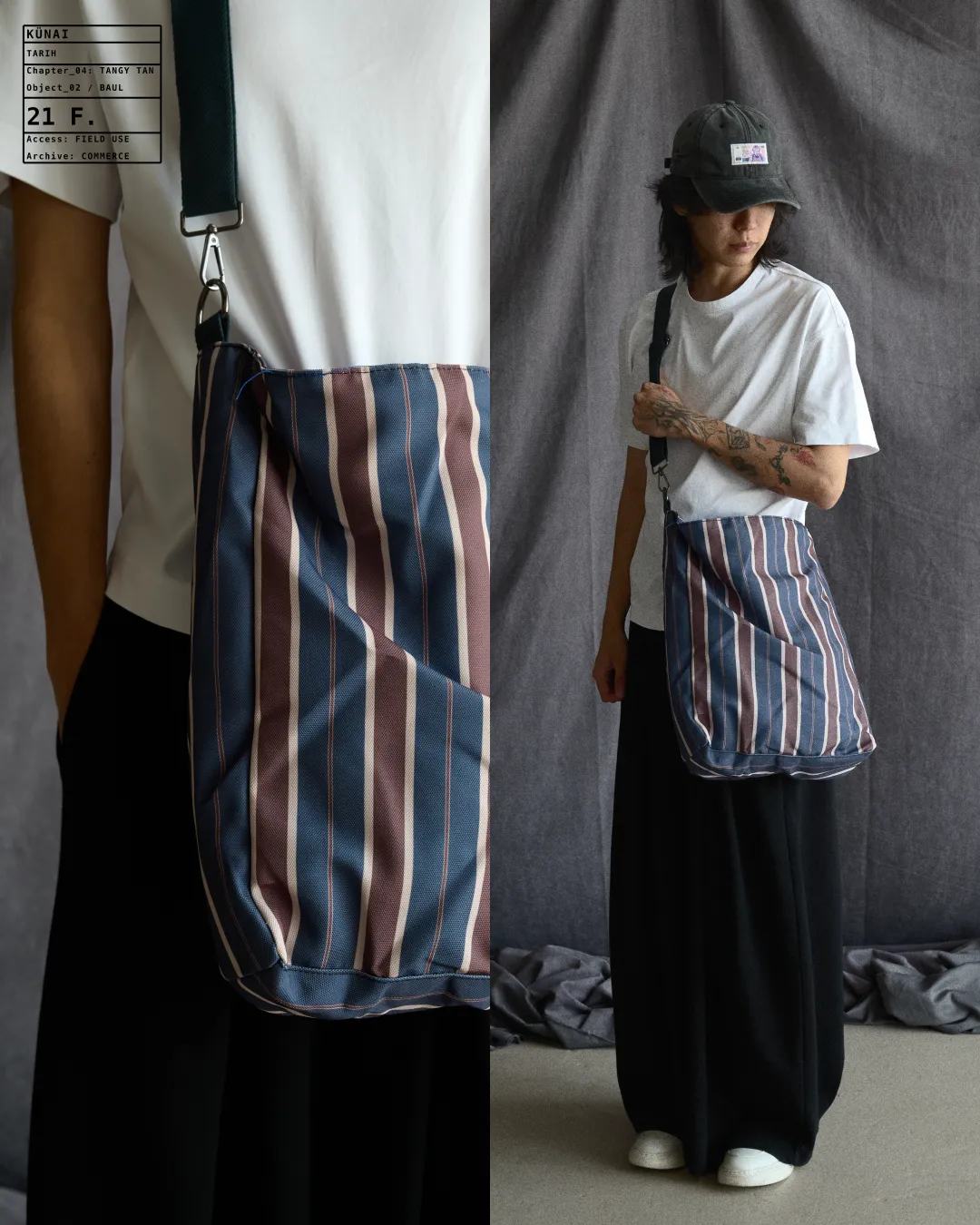
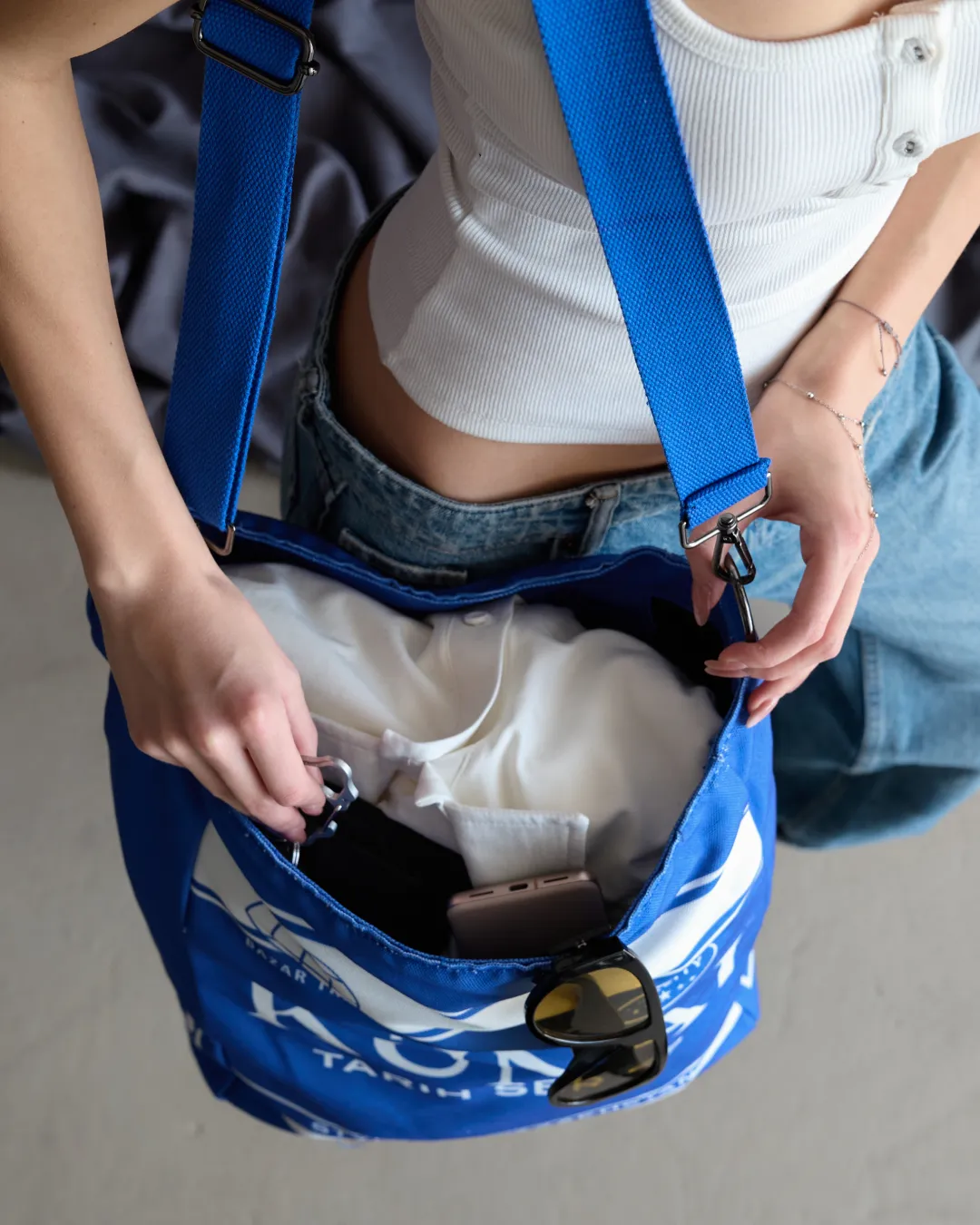
A tall shopper in dense striped fabric drawn from the «Chinese» bauls of the 90s: rigid handles, a long shoulder strap, an archival TARIH tag, and a newspaper patch «Весенний Алматы 00х».
BAUL
Source
Tañgy Tañ is the dawn of the independent republic. National sovereignty, cultural rehabilitation, social shifts, and at the root of it all: wild capitalism. This was our «end of history», to use Fukuyama’s language. People bartered, bought, sold, sought profit and paths to well-being.
If KRI wanted to archive the spirit of this moment, it would go to the bazaar and look at what people were using. It was the market that turned Kazakhstan from a half-empty Soviet republic into a pearl of Central Asia where money rules.
Tañgy Tañ is the morning of 16 December 1991 and everything that followed. The planned economy was falling apart before one’s eyes, the ruble was turning into empty paper, ties between the republics were breaking. Old wages stopped feeding people, and the Soviet social contract (guaranteed work, housing, kindergarten) disappeared within a few years. In its place came something else, unwritten but entirely real: survive, trade, search.
The central figure of this decade was the shuttle trader. Thousands of yesterday’s engineers, teachers, and doctors set off for Istanbul, Urumqi, and Dubai, and from there brought back, in bulk and in their bags, clothing, footwear, fabrics, and household electronics. The bazaar was the point of sale. «Barakholka», «Hualian», and the «Green Bazaar» in Almaty were not merely trading spots but vast social machines: prices, acquaintances, social mobility, and shared languages took shape there. Here, in the trading rows, a new Kazakhstani urban stratum was born spontaneously and without any plan.
The bag itself is a hybrid object and in that sense an epochal one. The checkered polypropylene sack of Chinese manufacture became a visual constant of the 90s across the entire post-Soviet space. English-language anthropologists would later call it the «Ghana-must-go bag» or the «Bangladeshi laundry bag», but for our region it is first of all the «Chinese baul», inseparable from shuttle trading.
In parallel with the market bustle, a quiet, persistent work of redefinition was under way: in November 1993 the first tenge appeared, and from the very first releases the Kazakhstani banknotes assembled a new national pantheon: Al-Farabi, Suyunbai, Chokan Valikhanov, Abai, Abylai-khan. Money became a micro-gallery of memory being recovered.
Interpretation
The baul is the constant companion of the Kazakhstani bazaar. A newspaper is pinned to it, an attempt to fix an instant snapshot of a rapidly changing world.
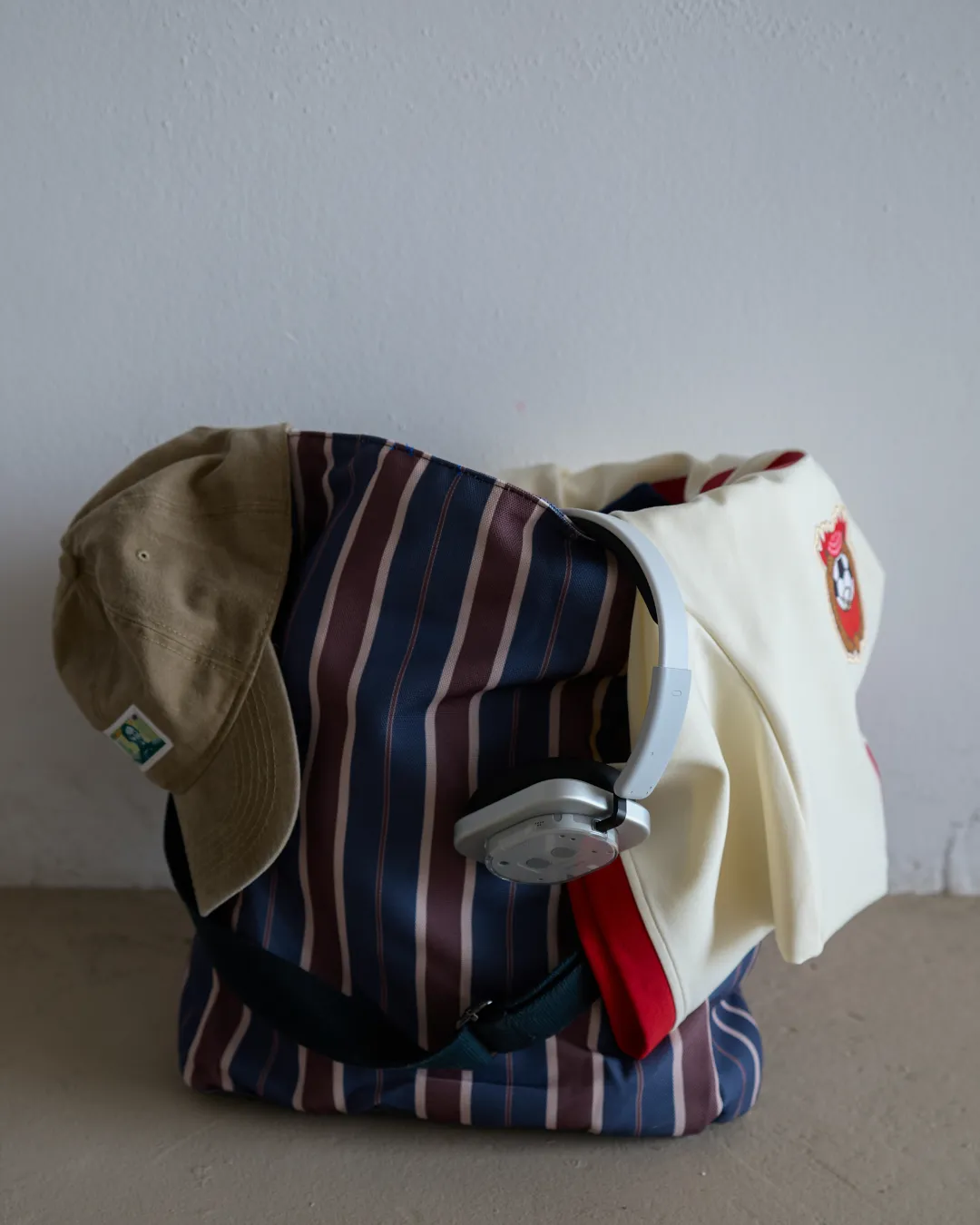
The caps carry the first Kazakhstani banknotes, sewn on top. People once said «bread is the head of everything»; in the era of Kazakhstan’s formation that formula shifted slightly. The banknotes are also a return to history, a bow to the eras preceding the Kazakh SSR: to Orda and to Alash.
Object
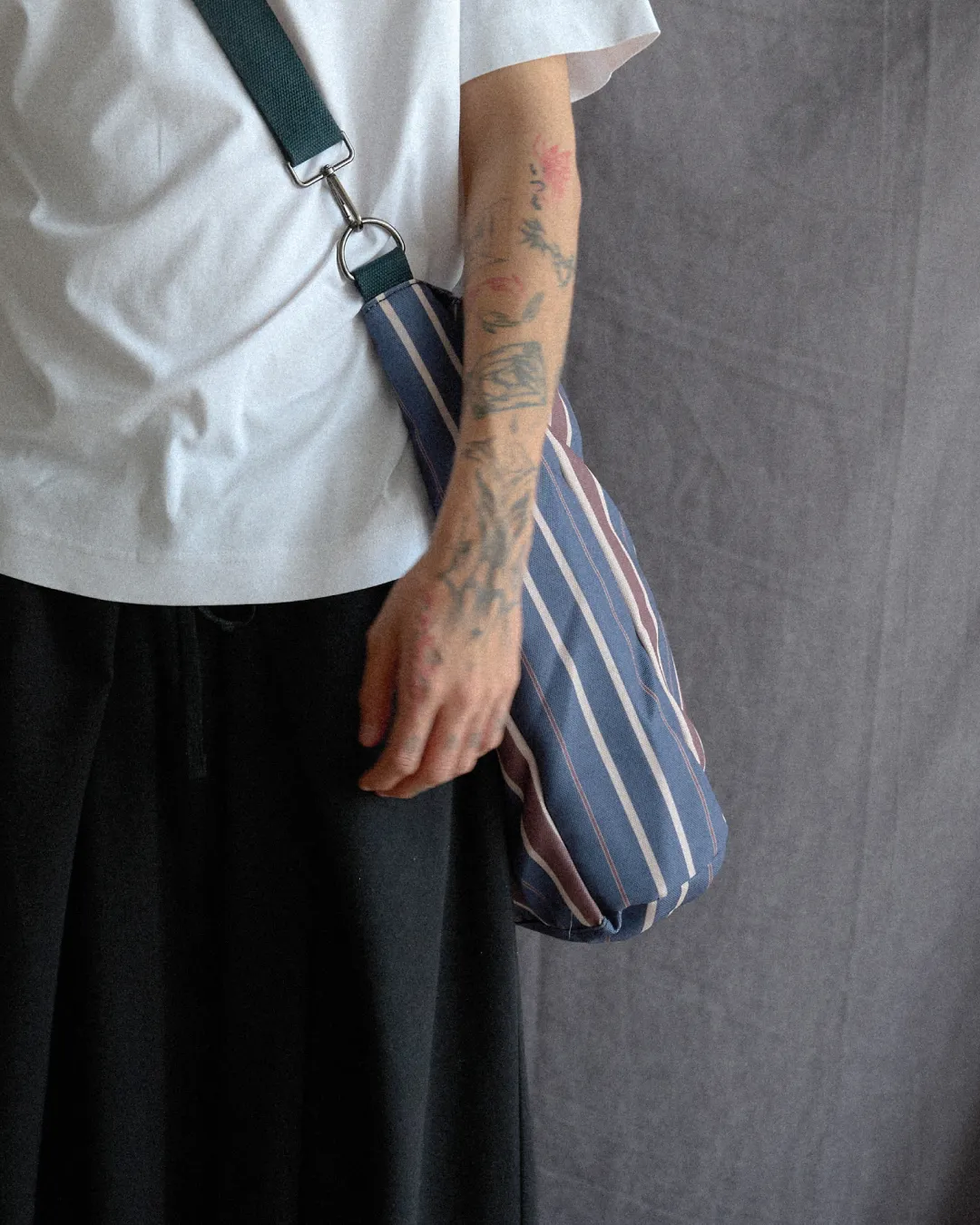
Shopper «BAUL». A tall shopper bag in dense fabric with vertical stripes references the famous «Chinese» bauls of the 90s, the ones carried to the bazaar and used by shuttle traders. The form is made more refined and urban: rigid handles, a long shoulder strap.
On the front, an archival TARIH tag describes the bag as an object of the era of bazaars and precarious trading trips, and above it a small sewn-on patch carries a notional market name. This is no longer simply a household bag but a reinterpreted container for the memory of the first wave of wild capitalism in Kazakhstan. The patch on the right side of the bag references a popular Kazakhstani newspaper («Вечерняя Алма-Ата»). In our interpretation it is called «Весенний Алматы 00х». The text below is dedicated to the Green Bazaar, a beloved city place that may soon all but vanish from the urban fabric yet will remain in the city’s memory. The mention of the «third issue» refers to the fact that this is our third drop.